There have been a lot of articles over the last few months, about how theatre in Canada is in trouble. Here are a few examples:
It isn’t just panicked hand-wringing. Audiences haven’t returned to the theatre since the pandemic closures, and funding certainly hasn’t kept pace with the needs of the theatres. And that’s something that is mentioned in a lot of those articles. Invariably, there is a call for increased arts council funding to close the gap and help the theatres survive. And while that’s certainly necessary, I think it is a short term solution. Yes, there needs to be more funding, but in the long term, theatre needs to change.
The audience needs to be brought back. If we don’t bring the audiences back to the theatre, then what is the point of more funding? Theatre needs an audience, and Canadian theatre deserves an enthusiastic audience. And to do that, theatre makers and companies need to work to bring them back. We can’t just wait for them to rediscover the theatre. They need to be convinced. Because even more than before, they have learned that the sofa is comfortable, the snacks within reach, and an entire world of entertainment options waits on their smart TVs and computers.
And it isn’t just the ease with which they can access plentiful entertainment options, going out after work is an ordeal that is reserved for special occasions or events. Again, the sofa is comfortable. If someone is going to work all day, and deny themselves the comfort of the couch, it has to be for something extremely special.
And this is tied to a problem that the theatre was facing years before the pandemic. The question of where the audience is going, and why they aren’t going to the theatre existed long before March 2020. But now we have to contend with the increased cost of everything limiting the amount the average person can afford to spend on luxuries like entertainment, and theatre tickets costing at least $50 at many theatres, it becomes more difficult to convince audiences to return to the theatre.
So how do we bring them back? Or how do we bring audiences to the theatre for the first time?
First we have to change how we talk about theatre. Those of us who make theatre know how special it is. We know how exciting it is to be in a room as an audience, and we live for that magical moment when audience and actors breathe together. We know that theatre is an experience. But not everyone does. We need to find ways to express that. People want experiences. Think of all of the people who paid more than $50 a ticket to see the paintings of Van Gough projected on four walls. People will happily go out for those experiences. We have to tell them about the theatre experience. We’re excited about the theatre we’re making, why do we treat seeing it like a duty or like taking vitamins?
It’s good for you.
But will I like it?
See it and find out.
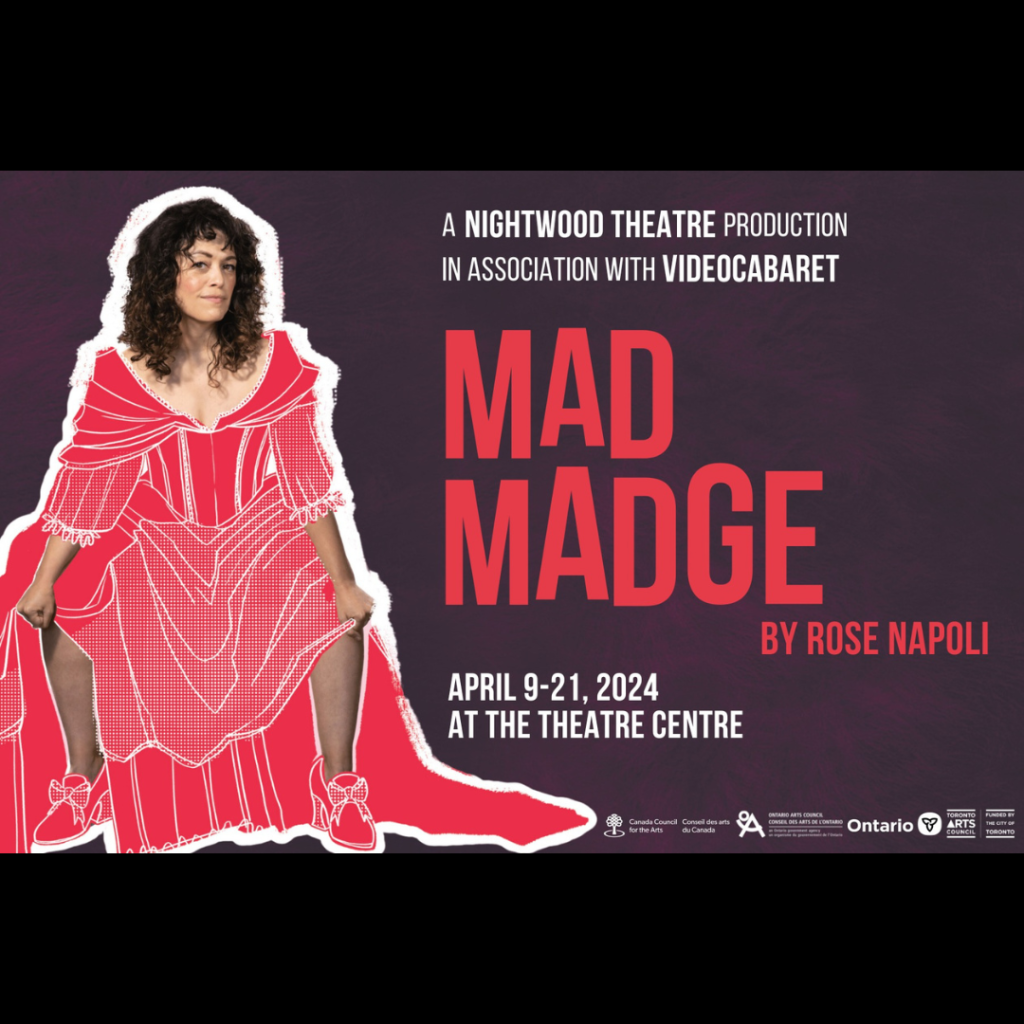
That’s not much of a selling point. We need to let people know what they are in for. When people go to a movie or watch a new TV show, they already have a sense of whether that movie or show is going to be something they want to spend time watching. That might be through trailers, or video snippets, or photos. But with the theatre, we often give a potential audience member precious little. A title and author. A poster image of the actors with no context. Pull quotes from reviews, if there are some. How does that tell me anything about the show? I don’t even know what it’s about, let alone the genre. Is it funny? Scary? Sad? I don’t know. I’m spending more than I would on a movie, and I don’t even have a sense of what the show is? How is that something I want to do?
We also need to look at our programming. A lot of the theatre produced in our theatres is IMPORTANT theatre, and that certainly has its place. But when all of the plays in a season are IMPORTANT, that’s exhausting. It’s too much. I go to see IMPORTANT movies, but I also go to see fun audience pleasers as well. I wrote a while ago on my blog about the virtues of popcorn theatre.
In that post, I outlined some of the reasons why we don’t do popcorn theatre in Canada:
- The number of stages. In the US and the UK there are more stages, allowing for more types of plays on those stages. In Canada, there are a comparatively limited number of stages on which to present plays.
- Grant centric funding. In the UK and the US there is a combination of not-for-profit, grant funded theatres, as well as for-profit theatres. In Canada, there are very few theatres that survive without grants, and a grant funded theatre tends to produce theatre to fit within what the granting bodies (or at least the adjudicators) want to see.
- There may also be a certain amount of preciousness in the theatre. Oh sure, that’s fine for movies, but the theatre is above all that.
I still think those are some of the reasons why we don’t see much “frivolous” theatre on our stages. But I don’t think it helps us bring audiences back.
We also need to grapple with the fact that Canada doesn’t really have theatre fans. Not like in the US or the UK where there are people who are hardcore fans of theatre. They go to shows, they talk about shows. They make tik toks and reels about shows. But that’s not really a thing in Canada. Here, the most ardent theatre fans are the people who make it. And that’s not good for the future of the medium. That means that a lot of times, when we are making theatre, we’re making it for ourselves and people like us. And it’s good to have an audience in mind, but that isn’t exactly conducive to bringing non-theatre people into the theatre and giving them something they want to see.
Then we have subscribers. A lot of theatres are addicted to subscribers, and those audience members don’t tend to be particularly adventurous. Often they like what they like, and aren’t interested in seeing something outside of that. Which makes it difficult for theatres to court new audiences, because what brings in a new audience may not fly with their subscribers. So a lot of theatres don’t take the risk, for fear of alienating the audience they have. And from a certain point of view, that makes sense. After all, your subscribers have made a commitment to your company, and you want to honour and reward that. But let’s face it, a lot of the subscriber base skews older, and is less likely to want something unfamiliar. So, the theatre presents something that’s geared for its older, safer audience, and then wonders why new audiences aren’t coming out.
Theatres, if they are going to survive, will need to learn to thread the needle: to produce enough shows to keep their subscribers happy, while also doing something that will bring in new theatre-goers.
So what are we to do? There are, as I see it, a few things that theatres can start to do to bring audiences into the theatre, and generate revenue.
- Take a lesson from Hollywood. Theatres should have a variety of genres and types of shows. Yes, it’s important to make capital “a” Art, to tackle the important issues of the day, that can’t be all there is. Hollywood doesn’t just give us the popcorn movie, it also gives us serious fare, the “Oscar bait”, serious cinema. A season of theatre should have that kind of balance. A couple of fun shows, a couple of serious shows, and everything in between. It doesn’t have to be one or the other. It can be both and all.
- Give people the chance to become fans. Again, look at Hollywood. Heck! Look at the shows on Broadway, or London’s West End. What’s above or just below the title? Actor’s names! People connect with people, not companies. But I can’t remember the last time I saw a poster or advertisement for a Toronto theatre show, and saw an actor’s name prominently displayed. Why is Canada so different? We don’t have a star system, but I think that’s how it’s been designed by a lot of producers. A star has clout. A star can make demands of the production. It may be that some producers in Canada actively hamper the development of theatrical stars, because they don’t want someone who can negotiate for more money, or can be a bigger voice in the room. There are good things and bad things to having stars, but one thing that is certain, is that audiences become fans of people, and not institutions. If we gave our actors more prominence, our audiences could connect with them, and become fans. Fans go to shows. Fans spend money.
- Tell people about the show. In my years producing Stageworthy the podcast, every so often there would be someone who doesn’t want to say anything about their show, because they want the audience to be surprised. But that doesn’t do what they think it does. That way of playing coy about the show doesn’t read as intrigue, it looks more like cowardice, like you don’t believe in the play. You have to talk about it. Don’t worry about giving too much away, don’t say “you’ll have to see the show to find out”, give it all away. Talk about the show. The themes. The characters. What happens in the show. I understand not wanting to spoil things, and you can talk about the show without spoiling it. But talk about it. And you can do that without giving away the ending. Let people choose if the show is something they want to see. Give them the opportunity to show up enthusiastically. Talking about the show also entails never assuming that potential audience members know what the show is about. This often happens with plays deemed classics, like works by Shakespeare or Ibsen. Theatres assume the title is the selling point, and it is, to the people that know the show. But remember: we need to be talking to people who aren’t currently regular theatre goers. When we talk about a show, and assume they know what it is, we tell them that theatre isn’t for them because they don’t know this show or that show.
- Advertise the experience. Make people want to come. Like I mentioned, people paid over $50 a ticket for the Van Gogh Experience, and other experiential events (like Illuminarium, or Arcadia North), and those are either projection based, or walking through a pretty room. Theatre can provide more than that, but we have to let them know that. Get creative with the advertising. If you are going to make a trailer, make it short and punchy. I’ve seen 3-5 minute theatre trailers, which just plodded along. A trailer should be no more than 1-2 minutes long. And even 2 minutes can be too long for some trailers. Good use of social media is also necessary. But it needs to be used well. It isn’t just another advertising space. The content has to be smart, and it has to be right for the platform. Oh, and always mention the name of the show in every post. The algorithm can put your post in front of people who don’t follow up, but if your post doesn’t mention the show, they’ll never know what they are looking at. Give people every opportunity to discover the show.
- Give your audience something to post on social media. Something cool and fun. They want to brag about their experiences, but they probably want something more than just taking a picture of the program.
This is change. And our arts institutions aren’t good at change. When they do change, it comes slowly, reluctantly. But things have changed. What audiences want has changed. The pandemic years solidified how easy it is to stream whatever you want, but those years in lockdown with limited options made them want fun experiences. And they are willing to pay, if they think they will see something cool and fun.
So we can’t just do what we did in the years before COVID. Things have changed. Audience needs and desires have changed. If we don’t change, if we don’t bring audiences back, the theatre scene in this country is in danger. Especially since funding appears to be on the decline. If we don’t find ways to court audience dollars to make up for the shortfall, then is there a future at all?